


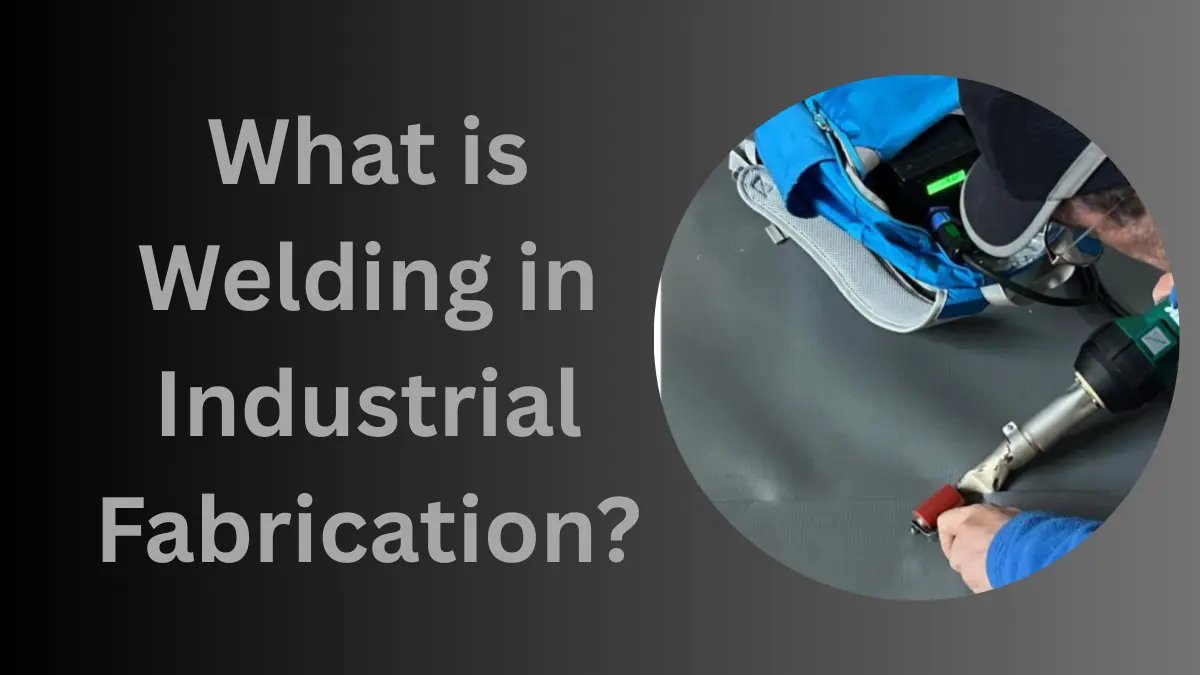
In industrial fabrication, welding is used for everything from building load-bearing components and large-scale structures to repairing equipment and producing custom assemblies. From steel, aluminum, or advanced thermoplastics, welding is one of the foundational processes that makes industrial fabrication possible.
The welding experts at Hot Air Tools® dives in to the many uses of welding in industrial fabrication.
What Welding Means in Industrial Fabrication
In an industrial context, welding is more than joining two parts. It’s a controlled, repeatable manufacturing step that directly affects your project’s structural integrity, performance, and longevity. The methods, tools, and techniques you choose will all contribute to the reliability of the finished product.
Why Welding Is Central to Fabrication Work
Welding is essential in fabrication as it creates strong, permanent joints that mechanical fasteners can’t always achieve.
You’ll find welding at the core of:
- Manufacturing and production lines, where speed and consistency are top priorities.
- Construction and structural fabrication, where weld strength directly impacts safety.
- Automotive and transportation, from frames to plastic components.
- Plastics fabrication and repair, where thermoplastics must be fused without compromising material properties.
- Maintenance and repair operations, where reliability matters more than aesthetics.
In all of these applications, the quality of your weld could determine whether a component performs or fails. Strong, consistent welds improve efficiency by reducing rework, downtime, and material waste, all of which are top concerns in any professional fabrication environment.
How Welding Works
At a fundamental level, welding relies on three principles:
- Heat to soften or melt the base materials.
- Fusion to allow the materials to flow together.
- Joint formation as the weld cools and solidifies.
In metal welding, heat is typically generated by an electric arc, resistance heating, or combustion. The molten base metal (often combined with filler material) solidifies into a strong, continuous joint.
With plastic welding, the process is different. Thermoplastics don’t melt and solidify like metals; instead, they soften when heated and harden again as they cool. This is where hot-air welding tools and specialty plastic welding equipment are used. Controlled airflow and precise temperature allow you to heat the material evenly without degrading it, creating a homogeneous bond that maintains the plastic’s original properties.
Common Welding Processes Used in Industrial Fabrication
Industrial fabrication relies on a range of welding processes, each suited to specific materials, environments, and production demands. Knowing when to use each method and having the right tools to support it allows you to work more efficiently and successfully achieve consistent results.
Metal Welding Processes
Metal welding remains a foundational method for industrial fabrication, particularly in structural and load-bearing applications. Let’s look at some of the most common types of metal welding processes.
MIG / GMAW Welding
MIG (Gas Metal Arc Welding) is one of the most widely used processes in industrial settings.
You should choose MIG welding when you need:
- High deposition rates
- Faster production speeds
- Consistent, repeatable welds
It’s commonly used in manufacturing and automotive fabrication, where efficiency and throughput matter most. Proper power sources, wire feeders, and torch ergonomics support long production runs with minimal operator fatigue.
TIG / GTAW Welding
TIG welding is used when you need outstanding precision and control.
This process is ideal when you’re working with:
- Thin materials
- Aluminum, stainless steel, or exotic alloys
- Applications where appearance and accuracy matter
TIG is slower than MIG but offers unmatched control over heat input and weld profile. It’s often chosen for aerospace components, custom fabrication, and high-spec industrial assemblies.
Stick / SMAW Welding
Stick welding remains relevant because of its versatility and durability.
You’ll often use SMAW when:
- Working outdoors or in harsh environments
- Dealing with dirty or rusty materials
- Portability and simplicity are priorities
Its tolerance for less-than-ideal conditions makes it a go-to option for field repairs and heavy industrial maintenance.
FCAW Welding
Flux-Cored Arc Welding is a high-productivity process designed for heavy-duty fabrication.
It’s commonly selected for:
- Structural steel fabrication
- Shipbuilding and large equipment manufacturing
- Thick materials requiring deep penetration
FCAW combines speed with strength, making it well-suited for demanding industrial applications.
Plastic & Hot Air Welding Processes
As plastics play a growing role in industrial fabrication, plastic welding has become just as important as metal welding in many industries.
Hot Air Welding
Hot-air welding is the most widely used process for joining thermoplastics.
You should use hot-air welding for:
- Roofing membranes and waterproofing systems
- Industrial flooring and liners
- Tank fabrication and plastic containers
- Banner, sign, and flexible material production
Specialized hot-air tools provide the precise temperature control and consistent airflow needed to produce strong, uniform welds without overheating or scorching the material.
Extrusion Welding
Extrusion welding is used for thicker plastics and structural plastic joints.
This process is best for:
- Welding heavy-gauge thermoplastics
- Fabricating tanks, pipes, or chemical containers
- Reinforcing joints that require additional material
Extrusion welders deliver molten filler material directly into the joint, creating strong, reinforced welds in demanding applications.
Spot Welding & Seam Welding for Plastics
When speed and consistency matter, spot and seam welding are your best options.
These processes are often used in:
- High-volume plastic fabrication
- Packaging and industrial textiles
- Repetitive production environments
Automated or semi-automated hot-air tools help maintain uniform heat and pressure to reduce variability between welds.
Industries That Rely on Welding for Fabrication
Across industries, welding supports both structural integrity and functional performance. Let’s look at some examples.
Manufacturing & Industrial Production
In manufacturing, welding is used to build:
- Industrial machinery and equipment
- Custom metal and plastic components
- Frames, enclosures, and housings
Consistency and repeatability are of the utmost importance here, making professional-grade welding tools essential.
Automotive & Transportation
Welding plays a role in both metal and plastic automotive fabrication, including:
- Structural metalwork and frames
- Body repairs and panel fabrication
- Plastic bumper and trim welding
Precision and material compatibility are especially important in this sector.
Construction & Infrastructure
Construction relies heavily on welding for:
- Steel structures and supports
- Bridges and infrastructure components
- On-site plastic membrane welding for roofing and waterproofing
Durable tools that perform reliably in field conditions are a must.
Plastics Fabrication & Repair
Plastic welding supports industries working with:
- Storage tanks and chemical containers
- Pipes, ducts, and ventilation systems
- Heavy-gauge thermoplastics
Hot-air and extrusion welding tools allow for strong, long-lasting plastic joints.
Signage, Flooring & Specialty Applications
Specialty applications depend on precise plastic welding techniques, including:
- Vinyl flooring installation and repair
- Banner and sign fabrication
- Custom decorative or functional plastic assemblies
What Makes a High-Quality Weld?
No matter what material or process you use, all high-quality welds share a few main characteristics:
- Proper heat and temperature control: Proper fusion relies on consistent heat. Professional-grade welding and hot-air tools help you maintain stable temperatures by preventing overheating, burn-through, or weak joints.
- Clean, well-prepared materials: Surface preparation allows for proper bonding. Clean edges, correct fit-up, and contamination-free surfaces will significantly improve your weld strength.
- The right tool for the job: Matching tool power, airflow, and temperature range to your material is absolutely essential. Ergonomic design and durable construction really do matter in high-frequency fabrication environments where your tools see constant use.
- Operator skill and technique: Even the best tools rely on proper technique. Training, repeatability, and adherence to best practices directly impact weld quality in both metal and plastic welding.
How to Choose the Right Welding or Hot-Air Tool for Your Fabrication Needs
Selecting the right tool isn’t just about power. You must match the tool’s capability to the project’s application.
Consider the Materials You’re Working With
Start by evaluating:
- Metals vs. plastics
- Thin vs. thick materials
- Indoor shop work vs. outdoor field environments
Each unique scenario places different demands on temperature range, airflow, and tool durability.
Evaluate the Required Temperature and Airflow Range
Adjustable, precise controls matter because different materials require different heat profiles. Accurate temperature regulation helps you avoid material damage while achieving consistent welds.
Look for Features That Improve Efficiency
Professional tools often include features specifically designed to support long-term productivity:
- Digital temperature readouts for accuracy
- Brushless motors for longer service life
- Nozzle compatibility for multiple applications
- Ergonomic handling to reduce operator fatigue
These features are especially valuable when working in production or high-volume settings.
Reliability, Service, and Support
Finally, consider the long-term value of your tools. Choosing a provider that offers:
- Repair services
- Parts availability
- Expert technical guidance
Your provider should help you keep your equipment productive throughout its service life.
Find Expert Welding Tools for Every Welder
Whether you’re an amateur welder still honing your skills or a longtime professional looking for the best products, Hot Air Tools® has everything you need for a successful project.
We’re welders, too, so we know how to help you. And if we don’t have what you need, we’ll direct you to the right place. That’s our commitment to outstanding customer service.
Contact us today to speak with one of our skilled professionals about our wide range of plastic welding tools, accessories, and services.