


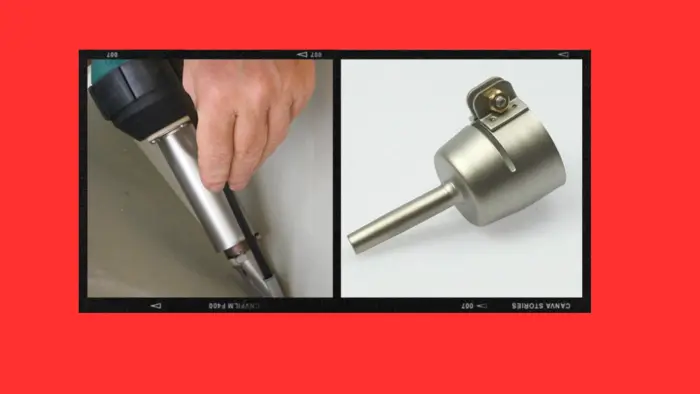
The art of welding involves joining materials with accuracy, strength, and durability. Central to the welding process are specialized nozzles that guide shielding gases to protect the weld from atmospheric contamination.
From intricate precision welding to handling high current levels for thicker materials, your choice of a welding nozzle significantly influences the outcome. We’ll explore the best types of welding nozzles based on specific welding needs and discuss the factors that contribute to successful and efficient welding operations.
What Does a Welding Nozzle Tip Do?
The welding nozzle tip serves several important roles in the welding process. First and foremost, it directs the flow of shielding gas to envelop the weld puddle, which safeguards it from contaminants and promotes a clean, efficient weld. At the same time, the nozzle acts as a barrier from spatter and potential damage to internal components during welding.
In addition to its protective role, the welding nozzle contributes to the overall gas coverage during welding to create a consistent shield over the weld area. This consistent gas flow is essential for preventing oxidation and ensuring the quality of the weld.
The functionality of the nozzle depends on its design and attachment to the torch. These two things optimize the nozzle’s performance so you can be sure of a stable and reliable gas delivery system during the welding process. Beyond these functions, some welders use nozzle gel to prevent spatter buildup inside the nozzle, maximize gas coverage, and maintain optimal performance while in use.
Welding Nozzle Types to Know
Welding nozzles come in various types designed for specific applications and materials. Understanding these types will help you achieve the best welding results.
Nozzle Shapes
The shape of the nozzle you choose will depend mainly on your welding project. Here’s a general overview of welding nozzle types:
Conical Nozzles
Good For: General welding applications
These are common and come in various bore sizes, with the most prevalent being 1/2” and 5/8” (13mm and 15.5mm). They’re versatile and suitable for welding zinc or zinc-coated metals due to their specific design. They allow for a good balance between gas coverage and accessibility to the weld area.
Straight Nozzles
Good For: Welding in tight or confined spaces, or when precision is required
Straight-shaped nozzles are another popular type. The straight shape provides a direct and focused flow of shielding gas to the weld pool. This is beneficial when welding in positions where access is limited or when working on joints that require precise gas coverage.
Bottleneck Nozzles
Good For: Precision welding tasks
These nozzles have a tapered design that allows for a controlled and concentrated gas flow. This is useful in welding jobs where the precision of gas flow is crucial for protecting the weld pool from atmospheric contamination.
Short or Long Taper Nozzles
Good For: Various applications depending on the taper length
This nozzle type offers flexibility in gas flow, making them suitable for a range of applications Short taper is ideal for precision welding where a concentrated gas flow is needed. Long taper is better for applications requiring a wider gas coverage area.
Material-Specific Nozzles
In addition to shapes, nozzles are made from a variety of materials that offer different advantages and disadvantages based on your needs and budget.
- Brass is a widely used material for welding nozzles, offering durability and resistance to corrosion.
- Copper, unlike brass, is another choice known for its distinct properties and effectiveness in specific welding applications.
- Chrome or nickel-plated finish provides additional protection against wear and ensures longevity in demanding welding conditions.
How Do You Determine the Welding Nozzle Type You Need?
For optimal welding results, we strongly recommend you take the time to determine the correct nozzle size. Follow these steps when considering which welding nozzle to use for your project.
1. Assess Welding Application
Start by identifying the specific welding application and materials involved. Different applications may require varying levels of heat and gas flow.
2. Consider Material Thickness
What’s the thickness of the material you’re welding? Thicker materials often require higher welding current levels, which will influence the nozzle size you need.
3. Understand Bore Sizes
Nozzles come in various bore sizes. The bore size directly affects gas flow through your welder.
4. Nozzle Bore Size and Welding Current Relationship
As a general rule, the nozzle bore size should increase with the level of welding current. Larger bore sizes accommodate higher current levels more effectively to prevent overheating and ensure proper shielding gas coverage.
5. Access to Weld Joint
Select a nozzle size that allows sufficient access to the weld joint. By using as large of a nozzle as possible while maintaining access, you ensure the greatest efficiency in shielding gas delivery.
6. Consider Welding Position
The welding position (vertical, horizontal, or overhead) can impact the effectiveness of gas coverage. Your nozzle size should be adjusted accordingly to optimize shielding gas distribution based on the welding position.
7. Trial and Adjustment
In some cases, trial and adjustment may be necessary. Start with a reasonable nozzle size based on the factors mentioned above, and if needed, make adjustments during the welding process to achieve the desired results.
8. Seek Expert Advice
When in doubt, consult with welding experts or refer to your welding equipment manufacturers’ recommendations. They can provide valuable insights based on specific welding scenarios.
The Best Nozzle Types for Welding
Welding demands vary, and choosing the right nozzle will help you achieve optimal results based on different scenarios.
Precision Welding
For intricate and precise welding tasks, conical nozzles with smaller bore sizes, such as 1/2” (13mm), are ideal. They offer focused gas flow for better accuracy in welding applications where precision is key.
High Current Welding
When dealing with thicker materials requiring higher current levels, you’ll need nozzles with larger bore sizes. Opt for bore sizes ranging from 3/8” to 7/8”, as these can accommodate the increased current levels, prevent overheating, and ensure effective shielding gas coverage.
Extended Welding Duration
In scenarios where long arc-on times are anticipated, choose nozzles made from materials known for their durability, such as chrome or nickel-plated nozzles. These should provide enhanced resistance to wear and hold up to extended welding sessions.
Versatile Welding Needs
For versatility in welding applications, we recommend the flexibility of cylindrical or bottleform nozzles in various bore sizes, typically ranging from 3/8” up to 7/8”. These nozzles provide the appropriate balance between precision and coverage.
Accessibility to Weld Joint
There may be times when you need to prioritize accessibility to the weld joint. When that happens, especially in challenging positions, go with larger nozzles that still allow access. This way, you get efficient gas coverage while accommodating the specific demands of the welding joint.
Get the Welding Nozzle Type You Need at Hot Air Tools®
At Hot Air Tools®, we want you to find the best welding equipment and accessories for the job — even if we don’t sell what you need. You can always contact us for welding advice or answers to your questions. We’re the welding experts you need, no matter what.