


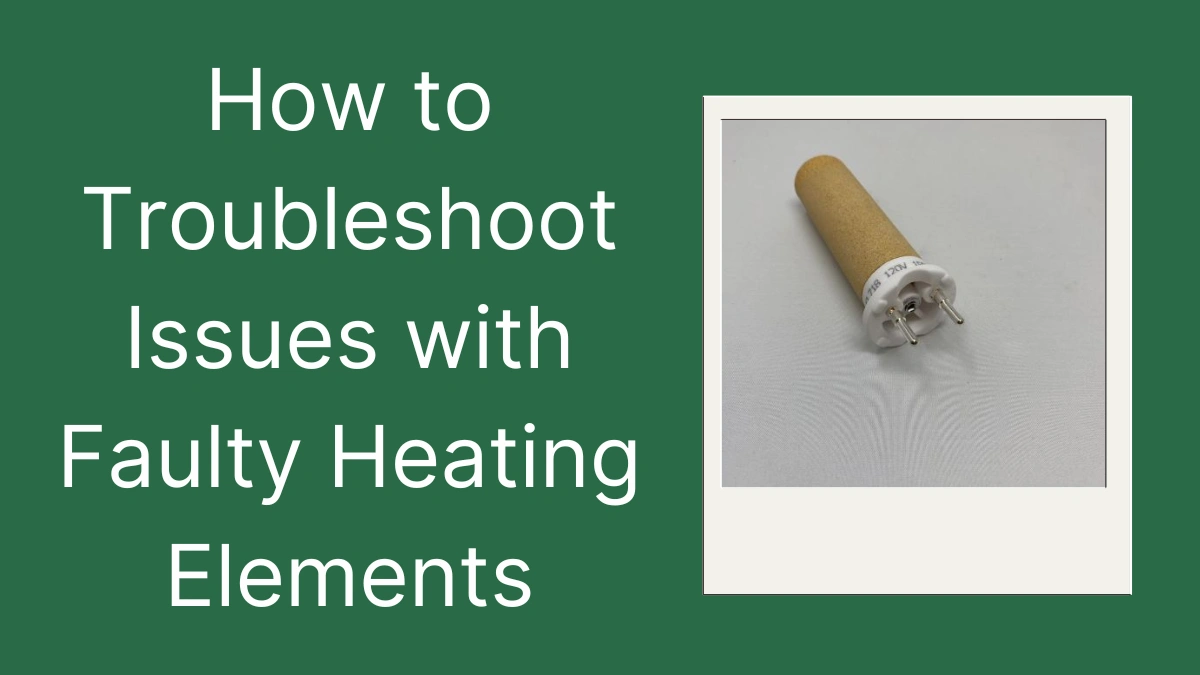
Heating elements are responsible for generating and maintaining the precise heat needed to bond materials effectively. A failing element can lead to inconsistent welds, weak joints, or complete tool failure, which halts your productivity and risks costly downtime.
In this guide, Hot Air Tools® teaches you how to spot the telltale signs of a faulty heating element, perform accurate diagnostic tests, and apply proven fixes to restore performance.
What Does a Heating Element Do?
The heating element in your plastic welding tool is designed to convert electrical energy into heat through resistance. When electricity passes through the element, it encounters resistance in the material, which generates thermal energy that heats the surrounding metal or plastic surfaces. Even minor malfunctions, such as uneven heating, hotspots, or reduced output, can directly affect your weld’s quality.
For a plastic welder, reliable heating elements help you maintain precision, efficiency, and repeatable results in daily operations. Without a working heating element, you risk both your safety and the weld’s performance.
How to Tell If a Heating Element Is Faulty
There are several signs of a faulty heating element you might notice:
- Slow warm-up times or uneven temperature distribution across the work surface
- No heat or inconsistent heating during operation
- Visible damage, such as cracks, discoloration, or breaks in the element
- Strange noises, buzzing, or unusual smells when the tool is powered on
It’s important to catch these issues early because even a partial element failure can strain other components of your heating tool. That can reduce your tool’s lifespan and compromise the quality of your welds. Identifying problems before they escalate allows you to maintain consistent results, prevent costly downtime, and protect your equipment investment.
How to Check a Heating Element for Issues
Diagnosing a heating element requires a combination of careful inspection and testing. The Hot Air Tools® team has extensive experience in repairing and replacing heating elements.
Following a structured approach can help you pinpoint issues quickly and accurately.
Step 1: Safety First
Before you touch any components, always disconnect the tool from its power source and allow it to cool completely. Heating elements retain heat even after being turned off, and direct contact with a live element can cause serious injury or electrical shock. Safety precautions are always the first step in both your protection and the integrity of the tool.
Step 2: Visual Inspection
Examine the heating element for obvious signs of damage. Look for indications of overheating or contamination, including:
- Broken or frayed coils
- Burnt or discolored areas
- Residue buildup
Even small cracks or hotspots can reduce performance and mean the element is nearing the end of its service life.
Step 3: Continuity Test with a Multimeter
Continuity testing determines whether the element allows electrical current to pass through its material, which is what generates heat. Set your multimeter to the ohms (Ω) setting, and place the probes on each terminal of the element. A functional element typically shows a low, consistent resistance value—often between 10 and 50 ohms, depending on the tool. An “infinite” reading indicates a broken circuit.
Step 4: Functional Test
If you’ve confirmed electrical continuity, you can then perform a controlled functional test. Reconnect the element safely and monitor its performance. Check for proper heat output and uniform temperature distribution. If the element fails to reach expected temperatures or heats unevenly, it may need replacement or further repair.
Common Causes of Heating Element Failure
Heating elements are durable but not invincible; many will eventually fail through normal wear and tear. Understanding the factors that accelerate failure can help you prevent unnecessary downtime and extend the life of your tools:
- Overheating from improper settings
- Electrical issues (voltage spikes, loose wiring)
- Material buildup or contamination
- Wear and tear over time
- Poor maintenance practices
Trust the Welding Professionals at Hot Air Tools®
From heat guns to replacement parts and expert repair service, Hot Air Tools® has everything you need for a successful welding project. Whether you’re just starting out in your amateur welding hobby or are a seasoned professional, we’re here to make sure you get the job done right.
We’re welders, too, so we know how to help you, no matter what your project might be. And if we don’t have what you need, we’ll direct you to the right place. That’s our commitment to outstanding customer service.
Contact us today to speak with one of our skilled professionals about your hot air tool needs.